Could wool save us from our fragile fast fashion future?
More sustainable choices could be the answer to fighting climate change and global warming

THE PERILS OF FAST FASHION
While the detrimental impact of fast fashion has long been a well-known fact, the consequences and alternatives are not discussed enough in the public sphere.
Brands such as Shein, Boohoo, Fashion Nova, Missguided and Pretty Little Thing are companies that people in Britain use frequently to purchase fashion items.
However, according to The Guardian, only 6% of Shein’s inventory stays in circulation for more than 90 days.
Put differently, 94% of their items are only made available for less than three months.
Shein is a whale of the fast fashion industry with over 1000 members of staff and valued at $100 billion.
In this context, a fast turnover of inventory has devastating repercussions.
In response to this, Shein said: “SHEIN’s business model is built on the premise of reduced production waste and on-demand manufacturing.
“Our unique, on-demand production model means that we are able to identify trends and anticipate consumer demands with greater accuracy than traditional forecasting models.
“We then only produce an ultra-small batch of each style (100-200 pieces) and gauge market response in real-time.
“This results in significantly less waste and excess inventory.”
Shein clearly perceives their business model through a different lens altogether.
While they’re focussed on fashion trends, what happens to the waste they still admit to producing?

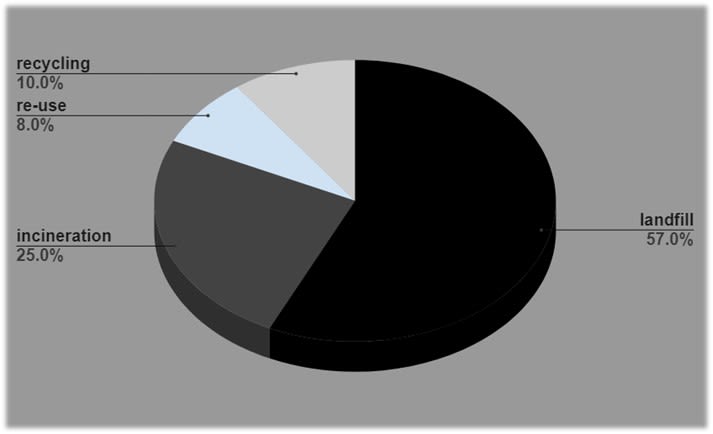
The above graph shows that only a miniscule amount of fashion waste is recycled or reused and more than half of it goes to landfill.

WE ARE POLLUTING THE OCEANS
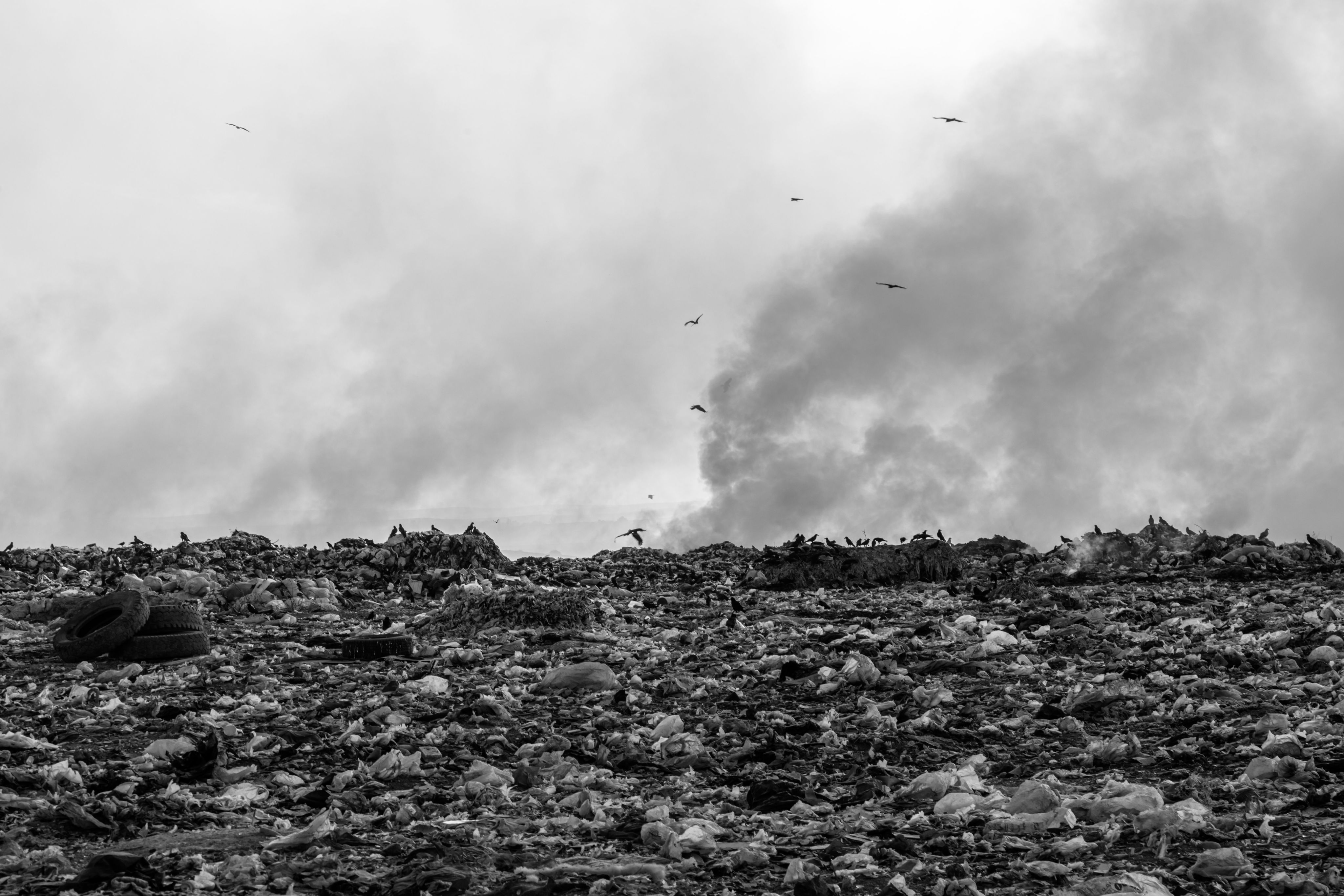
From landfill, harmful materials and non-biodegradable substances go on to pollute our oceans and impair aquatic wildlife through microplastics.
This issue becomes more pertinent due to the synthetic nature of many of the items sold by fast fashion companies.
According to the Sustainable Fashion Collective, synthetic materials are not biodegradable resulting in long-term pollution because the waste never breaks down.

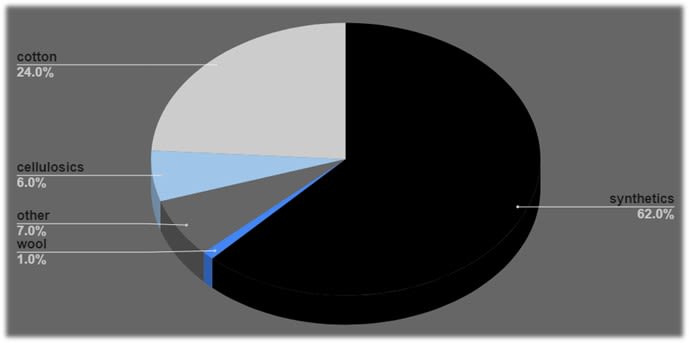
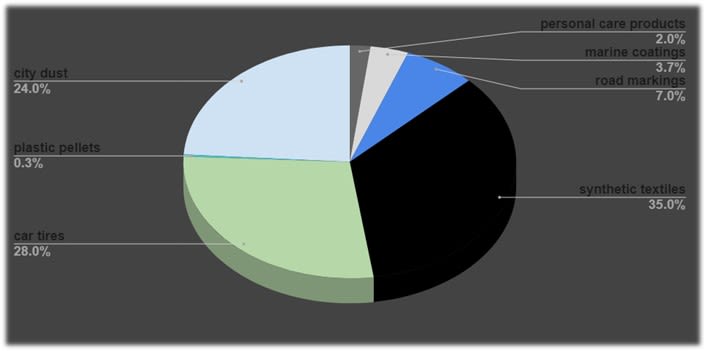
As the above graph makes clear, the majority of clothing items are made from synthetic materials.
Synthetic textiles are also the biggest contributor of microplastics in the ocean.

It is obvious that globally, we need to find an alternative to synthetics.
One of the most sustainable options is wool.


WHY CHOOSE WOOL?
Only 1% of clothing materials utilise wool as their base textile as seen from the above graphs.
Graham Clark, marketing director of The British Wool Organisation said: “Wool is a really good alternative to synthetics.
“It’s a totally renewable resource and it’s biodegradable.
“If it’s buried, it will simply decompose into the soil and it contains really good nutrients for plants, whereas with synthetics they’ll remain there for hundreds of years.
"Wool just dissolves into the ocean.
“You also don’t have to wash it as often as it’s a self-cleaning fibre which is great from an energy and environment point of view.
"It's a miracle fibre."
Play the clip below to hear more about wool from Graham.
Clark’s sentiment is echoed by Jeannette Cook, communications manager of the International Wool and Textile Organisation.
Cook said: “Wool garments and other wool products are long-lasting, biodegrade in soil and in water, and do not release microplastic fibres which we know to be causing great environmental harm.
“Wool is renewable - sheep grow a new fleece every year.
“And increasingly wool growers are quantifying how wool sheep are contributing to positive change – contrary to so much of what one hears, grazing sheep can increase biodiversity, increase soil nutrient content, and sequester carbon.
“Wool is also a key source of income for many communities around the world.”
The benefits of wool massively outweigh the benefits of synthetic materials.
However, the one big difference that many in the industry admit is the price of wool.
Wool is expensive, and definitely more expensive than items available to purchase on fast fashion websites.
THE CAMPAIGN FOR WOOL
The good news is some high street brands are working with British mills to produce their wool products. Marks and Spencer and Hobbs are among these.
In a recent press release, Campaign for Wool said: “The Campaign for Wool also remains steadfast in its pledge to further educate consumers about the global benefits of choosing natural and biodegradable products.
“By sharing some of the incredible stories behind people, brands and retailers innovating with wool, not to mention those highlighting upcycling, reusing and tackling issues around textile waste, the Campaign ultimately hopes to be able to reduce the number of synthetic fibres that could end up in landfill around the world.
“The key campaign take-away message is that we can all make a difference by switching to wool products and reducing the amount we buy overall.”
10 BENEFITS OF WOOL FROM CAMPAIGN FOR WOOL
- Pure wool is 100% natural, 100% renewable, 100% sustainable, 100% biodegradable, if you love the planet - use more wool!
- It is warm but it is cool too because it adapts to the wearer - that’s why sheep are so snug and content!
- Wool is flame retardant and will often self-extinguish. Fire-fighters like it because it produces less smoke and toxic fumes - making it a safer choice for the home.
- Strong and long lasting - wool carpets and rugs can take lots of heavy wear and are known to look better for longer - quality always lasts!
- Sleep well with a wool bed, pillow, duvet and blanket - scientific tests show that wool will create a sleep climate perfect for you... deeper sleep, lasting comfort and sweet dreams.
- Wool has hypoallergenic and anti-bacterial properties - it makes the air that we breathe cleaner and better.
- Wrap your babies in wool so they breathe easy... wool will keep them cosy and warm but not too hot as it cleverly changes to their temperature needs and is good for their skin.
- Insulate with it, soundproof with it, wear it, walk on it, wrap things with it. The world’s oldest renewable fibre is also the most versatile and modern.
- Sheep are amazing - they graze peacefully, grow wonderful wool, we use it to make beautiful textiles and the whole process begins again... no depletion, just sustainable and sensible.
- Wool is smarter than any other fibre - it travels a long way on its journey from the sheep to finished product but it never loses any of its remarkable qualities and it looks and feels fabulous too.

HOME GROWN WOOL IN THE HEART OF LONDON
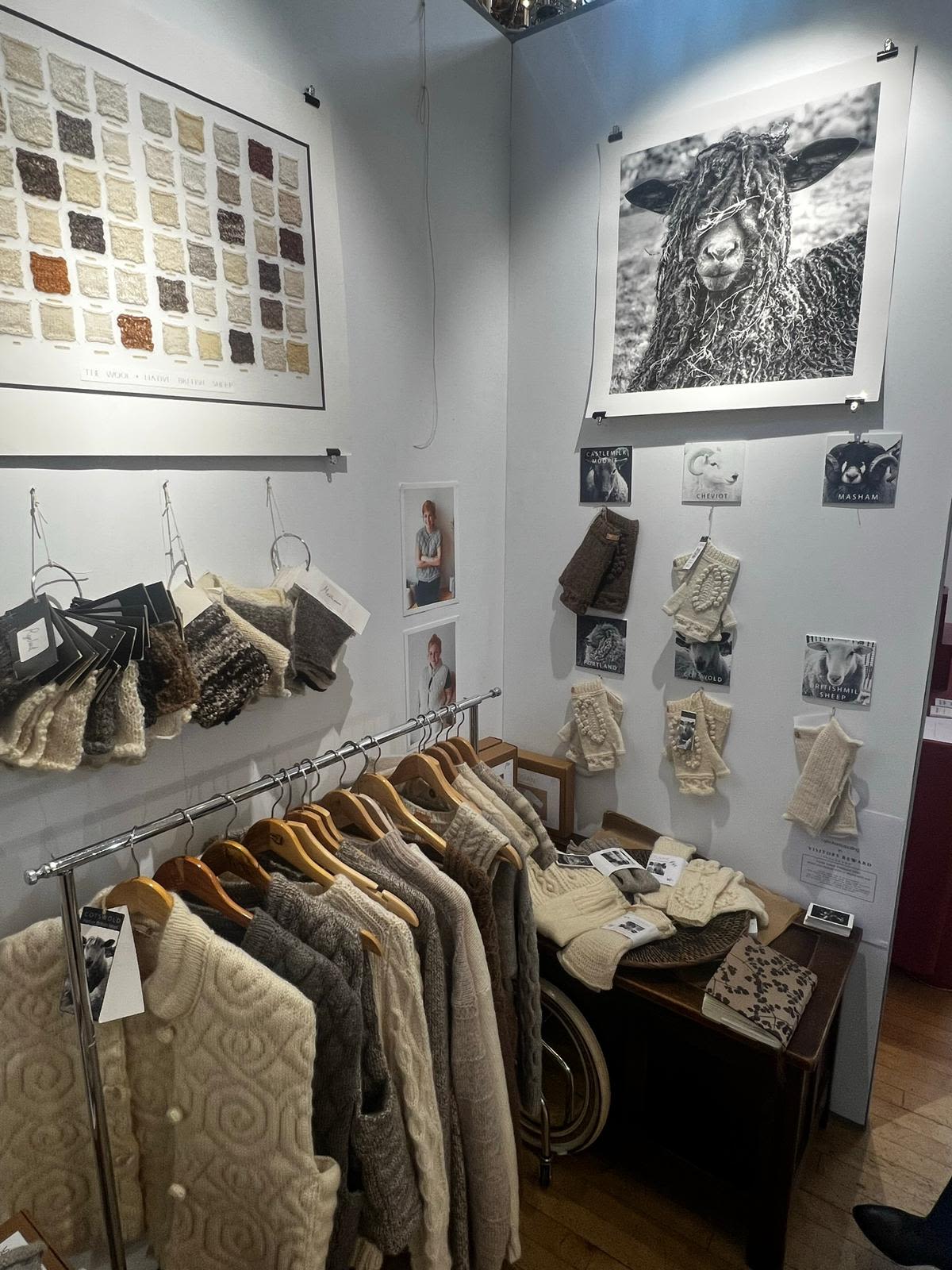
It is not uncommon for the average person to be unaware of local sustainable fashion alternatives such as Ossian Knitwear, owned and operated by a knitwear designer from South West London.
Justine Lee, 57, founded Ossian Knitwear in 2021 and has been providing good quality and sustainable wool to customers ever since.
After completing her MA in Sustainable Fashion, she has cultivated relationships with British farmers and her products are 100% biodegradable.
Due to her passion for animal welfare, Justine is passionate about maintaining the diversity of all 62 breeds of sheep in the UK.
To do this, she makes sure to use wool from all 62 types, encouraging farmers to keep breeding them and to see them as a continuing commercial asset.
Justine takes pride in her extensive knowledge of wool.
"Fast fashion has always been about massive volume and small profit per kilo"
Listen to the clip below to learn something new about the wool industry.
Last year, Justine was selling her items at a Handmade in Britain event in the heart of Chelsea.
All in all, after a thorough assessment of the British fashion industry, pollution statistics and the British wool industry, it is clear to see that wool is one solution to reducing global warming and climate change.
Will you be investing in wool?
Take the poll to see how much you've learnt!
Image credit: Lara Iyer
All other image credit: Shorthand


 Built with Shorthand